Basement Ventilation and Air Quality in Minneapolis: What Twin Cities Homeowners Need to Know
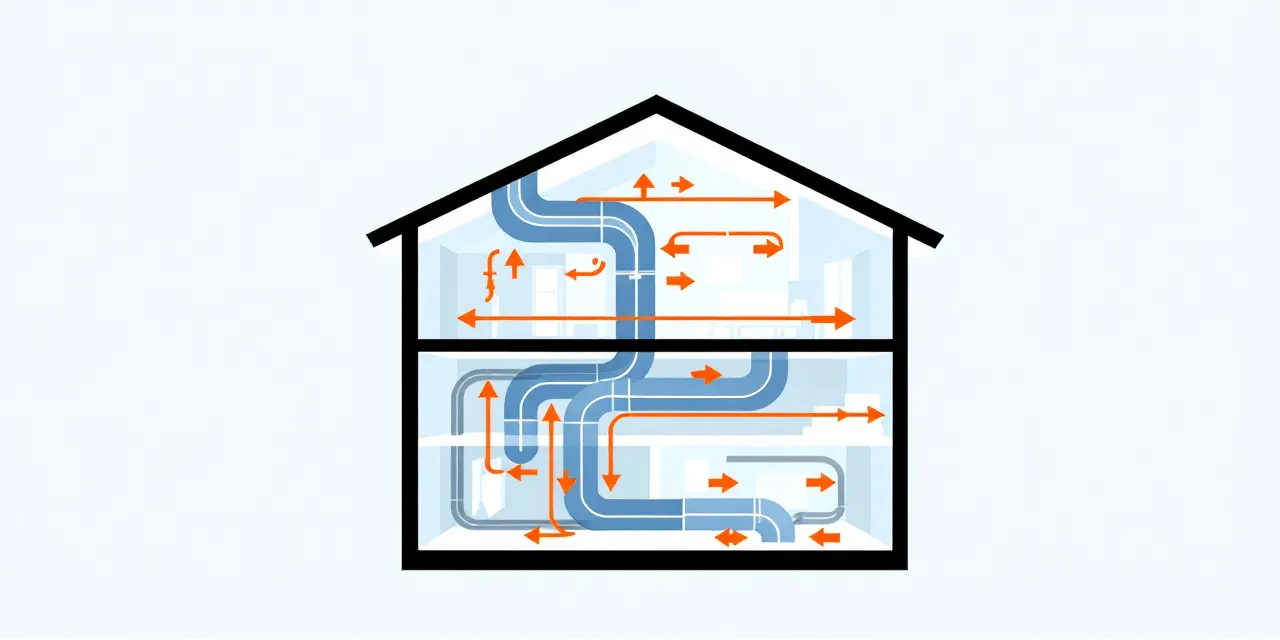
Minneapolis basements deal with a set of conditions that most parts of the country never face: brutal freeze-thaw cycles, high summer humidity, and soils that stay damp well into spring. That combination makes basement ventilation and air quality a real concern, not a theoretical one. Stale air, musty odors, radon accumulation, and excess moisture are the predictable results of a basement that is not breathing properly, and every bit of that air eventually migrates upstairs into the spaces where your family lives. At Minneapolis Basement Pros, our licensed Minneapolis partner crew has worked through enough Twin Cities basements to know exactly what goes wrong here and why. This article walks you through the ventilation basics, the most common air quality problems local homeowners face, and the finishing choices, including insulation, that directly affect how well your basement breathes. If you want a professional eye on your specific situation, we offer a free no-obligation quote from our local crew.
Why Basement Air Quality Is a Bigger Deal in the Twin Cities
The Minneapolis-St. Paul metro sits in a climate zone that swings from some of the coldest winters in the continental United States to genuinely humid summers. That range puts constant pressure on basement envelopes. In winter, warm indoor air hits cold basement walls and condenses. In summer, warm humid outdoor air flows into a cooler basement and condenses all over again. Without a deliberate ventilation strategy, you are dealing with moisture intrusion from two different directions at two different times of year.
Radon is the other local factor worth taking seriously. Minnesota has among the highest average indoor radon concentrations in the country, and the EPA and Minnesota Department of Health both recommend that homeowners test before finishing a basement. Radon is a naturally occurring radioactive gas that seeps up through soil and foundation cracks. Because finished basements are tighter than unfinished ones, finishing without first addressing radon can actually concentrate the problem.
Mold, volatile organic compounds from stored products, and carbon dioxide from attached garages round out the common basement air quality issues we see. None of these are unique to Minneapolis, but our climate makes each one more likely, which is why ventilation planning should happen before the framing goes up, not after the drywall is already on the walls.
Ventilation Strategies That Actually Work in Minnesota
Passive ventilation, meaning windows and vents left open to let air circulate on its own, is not a reliable strategy for a Minneapolis basement. During roughly half the year the outdoor air is either too cold to introduce without condensation risk or too humid to help with moisture control. Mechanical ventilation is the practical answer.
A dedicated exhaust fan or an energy recovery ventilator (ERV) is the most common solution our local crew installs alongside basement finishing projects. An ERV exchanges stale indoor air for fresh outdoor air while recovering most of the heat from the outgoing air, which matters a great deal in Minnesota winters when you do not want to simply throw conditioned air outside. It also handles the moisture transfer in a controlled way rather than letting humid summer air flood in unchecked.
Sub-slab depressurization is the standard radon mitigation approach, and it often doubles as a moisture control measure. A PVC pipe and a continuously running fan draw air and gases from beneath the slab and exhaust them outside before they can enter the living space. If your basement tests above 4 pCi/L, Minnesota health guidance suggests mitigating before you finish, and our licensed Minneapolis partner crew coordinates that work as part of the overall project plan.
Dehumidification is a complementary tool, not a substitute for ventilation. A properly sized dehumidifier, ideally one plumbed to drain automatically, keeps relative humidity in the 30-50 percent range that resists mold growth. Combined with an ERV and good air sealing, it rounds out a ventilation system that performs year-round.
How Insulation Choices Affect Air Quality and Ventilation
Insulation selection has a direct effect on basement air quality because it determines where moisture accumulates and how much air leaks through the walls. In Minnesota, the building science community generally favors closed-cell spray foam on basement walls, and there are practical reasons for that preference in our specific climate.
Closed-cell spray foam creates an air barrier and a vapor retarder in one application. It prevents warm interior air from reaching the cold concrete wall surface, which is the contact point where condensation forms and mold begins. Because spray foam fills gaps and penetrations as it expands, it also dramatically reduces the air infiltration pathways through which radon, soil gases, and exterior humidity enter the basement.
Basement spray foam insulation cost in Minneapolis varies based on wall height, linear footage, existing conditions, and whether the crew needs to address any moisture issues before application. Our licensed Minneapolis partner crew assesses those variables on site and provides a clear quote before any work begins. There is no single published price that fits every basement, so we focus on giving homeowners an accurate number for their specific project rather than a ballpark that ends up being misleading.
Fiberglass batt insulation is less expensive upfront, but in a basement context it carries real risk. Batts between studs can trap moisture against the concrete and create exactly the hidden mold environment you are trying to avoid. If budget is a constraint, our local crew can discuss hybrid approaches, but the air quality and longevity case for spray foam in a Minnesota basement is genuinely strong.
Connecting Ventilation to Your Finished Basement Design
Ventilation is not a cosmetic choice, but it does intersect with the design of a finished basement in practical ways. Ductwork for an ERV needs to run somewhere, exhaust fan penetrations need to go through the rim joist or wall, and any sub-slab radon pipe needs a vertical chase or a path through an exterior wall. Planning these runs before framing is finished saves significant rework cost and avoids situations where a beautiful dropped ceiling has to come down to accommodate a pipe.
Our licensed Minneapolis partner crew walks through the ventilation plan at the same time as the overall finishing layout. That means HVAC stub locations, electrical for fans, and insulation decisions all get coordinated in one conversation rather than handed off between separate subcontractors who may not communicate. For homeowners, the practical result is a basement that is finished the right way the first time, without the callback to fix a moisture problem that was predictable from the start.
Lighting and egress window placement also affect air quality in subtle ways. Natural light and properly sized egress windows improve livability, and egress windows occasionally serve as emergency ventilation pathways. They are not a substitute for mechanical ventilation, but they matter to the overall feel and code compliance of a finished space. Our crew handles egress window cutting and installation as part of the same project scope when needed.
Signs Your Minneapolis Basement Has an Air Quality Problem
A musty smell is the most common early signal, and homeowners often get used to it before recognizing it as a warning. That odor is mold or mildew producing microbial volatile organic compounds. By the time the smell is obvious, there is usually visible mold somewhere, often behind stored items or inside wall cavities where you cannot see it without opening the wall.
Condensation on cold surfaces during summer, efflorescence (that white powdery mineral residue) on concrete walls, and rusting on metal basement components are all evidence of chronic moisture. High radon is invisible and odorless, which is why the Minnesota Department of Health recommends testing with an inexpensive kit available at most local hardware stores. A reading above 4 pCi/L is the action threshold.
If you are planning to finish your basement and have noticed any of these signs, address them before finishing. Covering a moisture or radon problem with drywall and carpet does not eliminate the problem; it just makes it harder to access and more expensive to fix later. Our local crew inspects for these conditions as part of the quoting process and will be direct with you about what needs to happen before finishing work begins.
FAQ
Do I need to test for radon before finishing my Minneapolis basement?
It is strongly recommended. Minnesota has elevated radon levels across much of the metro, and the Minnesota Department of Health advises testing before finishing a basement. If the result is at or above 4 pCi/L, sub-slab depressurization should be installed before the finishing work closes off access to the slab. Our licensed Minneapolis partner crew can discuss radon mitigation coordination as part of your project.
What is the best ventilation system for a finished Twin Cities basement?
An energy recovery ventilator (ERV) is the most practical choice for Minnesota's climate. It provides continuous fresh air exchange without the heat loss of a simple exhaust fan, and it manages moisture transfer in both winter and summer. Combined with a dehumidifier and good air sealing at the rim joist and foundation walls, an ERV gives you consistent air quality year-round.
How does spray foam insulation affect basement air quality?
Closed-cell spray foam creates a continuous air and vapor barrier on basement walls. That barrier prevents warm interior air from contacting cold concrete (which is where condensation and mold start), and it seals the gaps through which soil gases including radon enter the space. The result is a tighter, drier basement that is easier to ventilate intentionally with mechanical equipment.
What affects basement spray foam insulation cost in Minneapolis?
The main factors are wall height, the total square footage of wall surface to be sprayed, existing wall conditions (existing framing, old insulation to remove, moisture damage to address first), and the thickness of foam required to meet Minnesota energy code. Because those variables differ from house to house, our local crew provides a site-specific quote rather than an estimate over the phone.
Can I just open basement windows for ventilation in the summer?
In Minneapolis summers, outdoor air is often warmer and more humid than the air inside your basement. Opening windows can actually introduce moisture rather than remove it, because humid outdoor air cools and condenses when it contacts your cooler basement walls and floor. Mechanical ventilation with dehumidification is a more reliable approach for summer months in this climate.