Basement Flooring Options in Minneapolis: What Works Down There and What Doesn't
Basement floors in the Twin Cities deal with things most floors never face: ground-level moisture, temperature swings from minus-twenty winters to humid August nights, and concrete slabs that flex and settle over decades. Picking the wrong material doesn't just look bad, it fails. At Minneapolis Basement Pros, our licensed Minneapolis partner crew has installed flooring in hundreds of local basements and knows exactly which products hold up in Minnesota conditions and which ones peel, warp, or grow mold by spring. Whether you're finishing a cozy family room, building out a serious home gym, or planning a full egress bedroom suite, flooring sets the tone for comfort, durability, and resale value. This page walks you through the real options, the real tradeoffs, and how our local crew approaches every installation to get it right the first time.
Why Minneapolis Basements Demand a Different Approach to Flooring
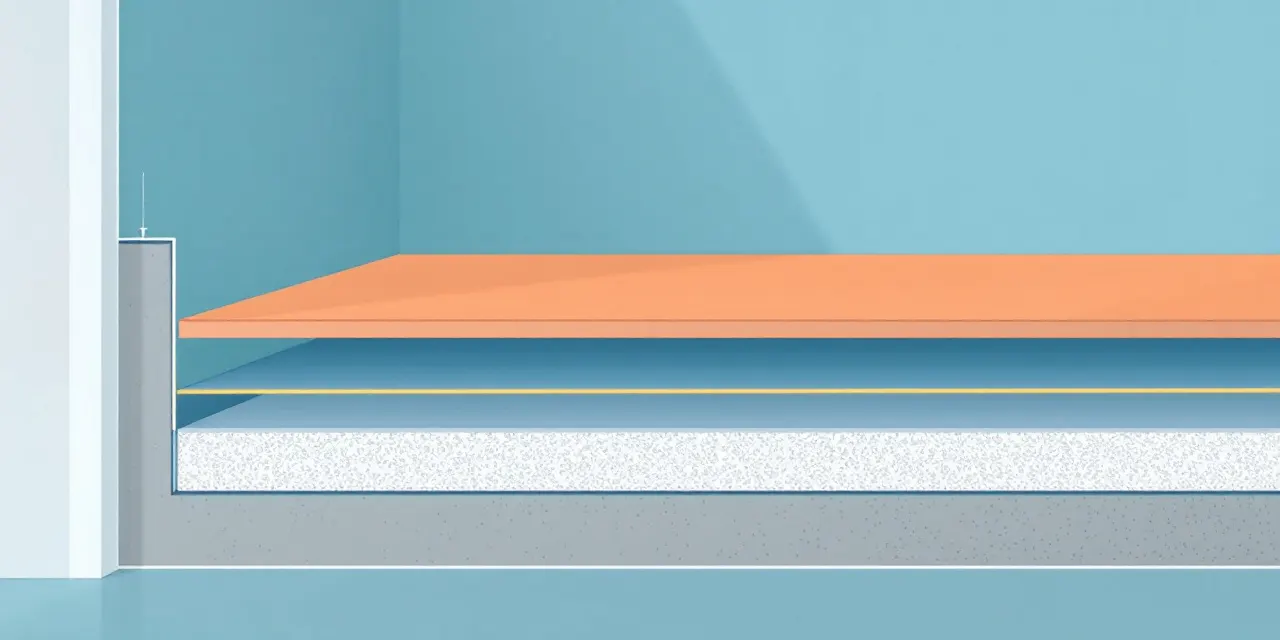
The challenge isn't just moisture, though that's always part of the conversation. Minnesota basements sit on concrete slabs that can be cold enough to feel uncomfortable year-round unless the floor assembly addresses it directly. A floating floor with a proper underlayment, or a glued-down product rated for below-grade installation, isn't optional here, it's the baseline.
Seasonally, Minneapolis basements also experience humidity swings. In summer, without proper dehumidification, relative humidity can climb high enough to cause solid hardwood to cup and buckle within a single season. That's why our licensed Minneapolis partner crew never installs solid hardwood below grade and steers clients toward products engineered specifically for the conditions they'll actually face.
Before any flooring goes down, our crew assesses moisture levels in the slab using moisture testing, checks for any existing water intrusion history, and confirms the subfloor is level enough for the chosen product. Getting that prep work right is what separates a floor that lasts ten years from one that's a headache by year two.
The Best Basement Flooring Options for Minneapolis Homes
Luxury vinyl plank (LVP) is the most popular choice our crew installs in Twin Cities basements, and for good reason. It's 100 percent waterproof at the plank level, installs as a floating floor over concrete, tolerates temperature fluctuation well, and comes in wood and stone looks that are genuinely hard to distinguish from the real thing once installed. For most finished basement projects, LVP hits the sweet spot of cost, durability, and appearance.
Engineered hardwood is a step up in warmth and authenticity. Unlike solid hardwood, engineered planks are built with a layered core that resists moisture-related movement much better than solid wood. It can be glued down or floated over a concrete slab and is a smart choice for basement living rooms or home offices where you want that real-wood feel without the risk. Our crew specifies engineered products with a plywood core rather than HDF for better performance in humid conditions.
Ceramic and porcelain tile remain a go-to for basement bathrooms, utility areas, and wet zones. Tile is completely impervious to moisture at the surface, easy to clean, and very durable. The tradeoff is that it's hard underfoot and cold without radiant heating underneath. In basements where comfort underfoot matters, our crew often pairs tile with an in-floor heating system to take the chill off. Carpet tiles are another option worth mentioning for basement bedrooms or media rooms, particularly the interlocking kind designed for below-grade use, since individual tiles can be swapped out if one section gets wet rather than replacing the whole floor.
Basement Home Gym Flooring in Minneapolis: Built to Take a Beating
Home gym spaces have become one of the most requested basement finishing projects we handle, and the flooring requirements are genuinely different from a living space. You need something that absorbs impact, protects the concrete slab from dropped weights, provides traction when you're sweating, and holds up under rubber-soled shoes and heavy equipment without compressing or tearing.
Interlocking rubber tiles are the industry standard for basement home gym flooring in Minneapolis and the surrounding suburbs. Typically 3/8 inch to 3/4 inch thick, they install without adhesive over concrete, deaden sound impact so the floor above isn't rattled, and can be pulled up and reconfigured if your gym layout changes. Vulcanized rubber tiles hold their structure better than recycled crumb rubber over the long term, and our crew recommends them for any serious training space.
For hybrid spaces, meaning a basement that functions as both a gym and a media or living area, our crew often installs rubber tile in the workout zone and LVP or engineered hardwood in the surrounding area, using a clean transition strip to separate the two. It's a practical solution that looks intentional rather than improvised, and it lets each zone perform exactly the way it needs to.
Radiant Floor Heating for Minneapolis Basements: Worth It?
If you've ever walked into a finished basement in January and immediately wished you had slippers, you already understand the appeal of radiant floor heating. Cold concrete transmits temperature directly through whatever flooring sits on top of it, and in a Minnesota winter that can make a beautiful basement feel uninviting no matter how well it's finished.
Electric radiant systems, which use heating mats or cables embedded in or below the floor assembly, are the most practical option for basement installations. Unlike hydronic systems, they don't require a boiler or complex plumbing runs, and they can be zoned room by room so you're only heating the space you're using. Our licensed Minneapolis partner crew installs electric radiant systems under compatible flooring, including tile, engineered hardwood, and select LVP products rated for use with in-floor heat.
The right flooring choice matters when radiant heat is part of the plan. Thick rubber gym flooring and most carpet products insulate too well to transfer heat efficiently. Tile is the most effective conductor. Engineered hardwood and thinner LVP products work well when the system is properly sized and the thermostat is set to maintain moderate, steady temperatures rather than cycling aggressively. Our crew plans the flooring assembly and heating system together so the two work as designed, not against each other.
How Our Licensed Minneapolis Partner Crew Handles Basement Flooring Installation
Every flooring project starts with a site visit and a free no-obligation quote. Our crew measures the space, checks the slab for moisture and levelness, and talks through your goals for the room, how it'll be used, your budget range, and whether any special conditions like a home gym or radiant heat need to be factored in. That conversation shapes the product recommendation, not the other way around.
Installation day prep is where a lot of contractors cut corners and where problems start. Our crew grinds down high spots, fills low spots and cracks in the slab, and confirms moisture readings before any product is unboxed. Acclimation periods for engineered wood products are respected, not skipped. Expansion gaps are cut properly and covered with appropriate transitions and moldings rather than caulked over.
After installation, our crew does a full walkthrough with you, walks through care and maintenance specific to the product installed, and makes sure any transitions, thresholds, and trim work are complete before they leave. The goal is a finished floor that looks right, feels right, and performs the way it's supposed to every Minnesota winter for years to come.
FAQ
What is the best basement flooring option for a Minneapolis home with moisture concerns?
Luxury vinyl plank is the safest all-around choice when moisture is a concern. It's waterproof at the plank level, installs as a floating floor, and handles the humidity swings Minnesota basements experience. If moisture intrusion is more serious, our crew addresses the underlying issue before any flooring goes down, since no product performs well on a slab that's actively wet.
Can I install hardwood floors in my Minneapolis basement?
Solid hardwood is not recommended below grade in Minnesota. The moisture and temperature variation in a basement slab will cause it to move, cup, and potentially buckle. Engineered hardwood is a much better option: it gives you the look and feel of real wood with a layered core construction that tolerates basement conditions significantly better.
How much does radiant floor heating add to a basement finishing project?
The cost depends on the square footage of the heated area and the specific system specified. We don't quote a number here because every project is different, but our crew provides itemized pricing for radiant heating as part of the overall flooring quote so you can see exactly what you're getting and make an informed decision.
What flooring works best for a basement home gym in Minneapolis?
Interlocking rubber tiles are the best choice for a dedicated workout space. They absorb impact, protect the slab, provide traction, and hold up under heavy equipment. For a hybrid space that combines a gym area with a living or media zone, our crew can install rubber tile in the workout area and LVP in the surrounding space with a clean transition between the two.
How do I get a quote for basement flooring from Minneapolis Basement Pros?
Just request a free quote through this site. Our licensed Minneapolis partner crew will schedule a site visit, assess your basement, and walk you through product options and pricing. There's no obligation, and the quote is specific to your actual space, not a ballpark estimate.